

What To Do If Your House Floods
Experiencing a home flooding can be overwhelming and stressful. However, taking prompt and appropriate action is crucial to minimize damage and ensure safety in the recovery process. This quick guide outlines the essential steps to take if your house floods.

Rapid Response
Day or Night

In Business
over 20 Years

Highly Rated
on Google!
- BBB A+ Rated
- Highly Rated on Google
- 24/7 Live Calls
- Free Estimates
- We Bill Your Insurance
- Locally Owned & Operated
The First 5 Minutes
The first few minutes after you notice flood waters in your home are all about safety and stopping additional damage. If the standing water is coming from a burst pipe or appliance, shut off your home’s main water supply if you can safely reach it. If water is near electrical outlets, appliances, or your breaker box, avoid the area and, from a dry location, turn off electricity to the affected part of the home if possible.
Keep everyone away from the flooded areas, especially children and pets, since standing water can hide contaminants, sharp objects, or electrical hazards. If the flood waters involve sewage, rising outdoor water, or an unknown source, treat them as contaminated and avoid direct contact as much as possible. Once immediate dangers are addressed, contact an emergency restoration company or plumber so help is already on the way while you handle the next steps.
Documenting Damage for Insurance
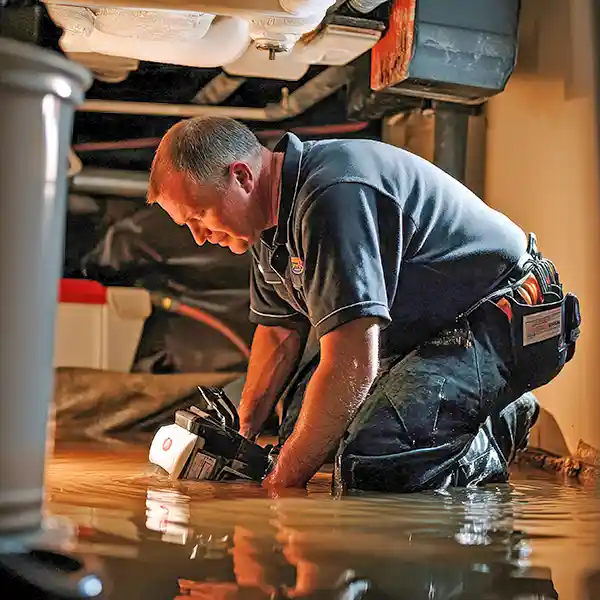
Thorough documentation will make your insurance claim process smoother and help you receive fair coverage. Take clear photos and videos of every area touched by flood waters before you move or throw away anything, including walls, floors, baseboards, doors, and any visible high-water lines. Capture close‑up shots of damaged items like furniture, electronics, rugs, and personal belongings, along with wide shots that show where they were in each room.
Create a written inventory of damaged items with approximate purchase dates and values, and gather any receipts or proof of purchase you can find.
If you must discard items for health reasons—such as heavily soaked carpet, padding, or contaminated materials—photograph them clearly while they are still in place and again before they go to the curb. Save all invoices and estimates from plumbers, electricians, or restoration professionals, because these records can support your insurance claim and show that you took reasonable steps to deal with the standing water quickly.
What NOT to Do After a Flood
Some common reactions after a flood can actually make things worse or create safety risks. Do not turn on your HVAC system right away; running the system while there is still moisture and debris in the home can spread contaminated air and mold spores through your ductwork. Avoid using small household fans to dry out soaked carpet and drywall, because they usually lack the power and dehumidification needed and can push moisture deeper into porous materials instead of removing it.
Do not walk on heavily saturated carpet or flooring any more than necessary, because each step can force flood waters deeper into the pad and subfloor and may cause warping or structural damage. Avoid plugging in or turning on any electrical devices that have been in contact with standing water until a professional has checked them. Most importantly, do not ignore damp walls, ceilings, or flooring—mold can begin to grow within 24–48 hours if the area is not properly dried and treated.
When to Call Professionals vs. DIY
Some limited water incidents are manageable with DIY cleanup, but many flood situations demand professional help.
If a small amount of clean water from an appliance is contained on a tile or other non‑porous surface, and you can remove all standing water quickly with towels and a wet/dry vacuum, you may be able to handle it yourself as long as everything is thoroughly dried and monitored. DIY cleanup is only reasonable when you are sure the water is clean, has been present for less than 24 hours, and has not soaked into walls, insulation, or structural components.
You should call restoration professionals immediately if flood waters come from outside, involve sewage, or you are unsure of the source. Bring in experts if water has seeped under walls, into insulation, or between floors, or if standing water has been present for more than a day.
Professional restoration teams use industrial‑grade extraction equipment, high‑capacity dehumidifiers, and moisture meters to remove hidden moisture and dry structural materials correctly. Their expertise reduces the risk of long‑term damage and can provide detailed documentation that supports your insurance claim and shows that you handled the flood responsibly.
How to File an Insurance Claim
Once everyone is safe and you have captured photos and videos, contact your insurance company as soon as possible to start your claim.
Have your policy number ready and be prepared to explain when the flooding started, how much of the home is affected, and what you believe caused the standing water. Ask your representative whether the damage is likely to be covered under your homeowner’s policy or if it falls under separate flood insurance, since standard policies often treat flood waters from outside the home differently from sudden, internal leaks.
Follow the instructions your insurer provides, which may include working with preferred restoration vendors, submitting your photos, and providing an inventory of damaged items. Keep a dedicated folder or digital file for all paperwork related to the insurance claim, including adjuster reports, repair estimates, receipts for emergency services, and any communication with your insurance company.
If you have flood insurance through a separate policy, notify that provider as well and make sure you understand how coverage, deductibles, and timelines differ between the two policies. Respond quickly to requests for additional information and ask your adjuster to clarify anything you do not understand so you know what is covered before approving major repairs.
Types of Water Damage We Handle
Water damage can arise from various sources, each requiring a tailored approach for effective remediation. Our experienced team is equipped to manage all types of water damage scenarios:
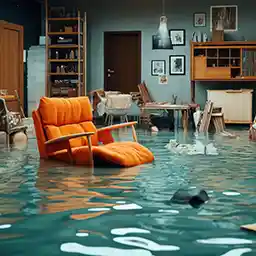
Flood Damage
Flooding can result from heavy rains, storm surges, or overflowing bodies of water. This type of damage can lead to significant structural issues and contamination. Our team provides immediate extraction and thorough cleanup to mitigate these effects.
Plumbing Leaks
Leaking pipes or faulty plumbing fixtures can cause hidden water damage behind walls and under floors. We specialize in detecting these leaks to prevent further deterioration and mold growth.
Appliance Malfunctions
Malfunctioning appliances like washing machines or dishwashers can lead to unexpected leaks. Our team handles cleanup and restoration efficiently to minimize damage from these incidents.
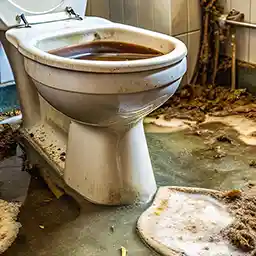
Sewage Backup
Sewage backups pose serious health risks due to harmful bacteria and pathogens. We provide safe sewage cleanup services, ensuring your home is sanitized and restored.
Storm Damage
Severe weather events such as hurricanes or heavy storms can cause significant water intrusion through roofs, windows, and doors. Our rapid response team is prepared to restore your property after storm-related water damage.
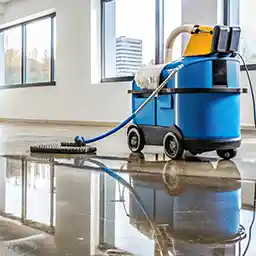
Basement Flooding
Basements are particularly vulnerable due to poor drainage or groundwater infiltration. We specialize in basement water removal and restoration to prevent long-term issues associated with flooding.
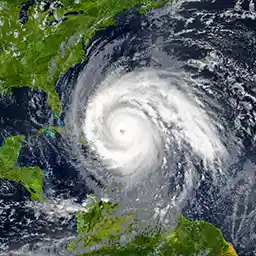
Natural Disasters
Natural disasters like hurricanes or tornadoes can lead to widespread water damage. Our experts are trained to handle the complexities of restoring properties affected by such events.

Condensation Issues
Excessive moisture from high humidity or condensation can lead to mold growth over time. We address these issues through proper drying techniques and moisture control solutions.
Our Comprehensive Water Removal Process
At Water Pro, we follow a meticulous process for water removal to ensure your property is thoroughly restored:
Emergency Response
Our 24/7 emergency services are designed to address water damage immediately. When you call us:
- We identify and stop the source of water.
- Assess safety hazards, including electrical risks.
- Begin prompt water extraction to minimize further damage.
Water Extraction Techniques
We employ advanced techniques for effective water removal:
- Submersible pumps for large volumes of standing water.
- Industrial-strength wet/dry vacuums for efficient extraction.
- Specialized equipment for carpets and upholstery.
Moisture Detection and Monitoring
Our experts use state-of-the-art technology for moisture detection:
- Moisture meters measure water content in materials.
- Infrared cameras identify hidden pockets of moisture.
- Thermo-hygrometers assess ambient conditions during drying.
Structural Drying
After extraction, we focus on thoroughly drying affected areas:
- High-velocity air movers promote evaporation.
- Industrial dehumidifiers remove moisture from the air.
- Injectidry systems dry wall cavities and hard-to-reach areas.
Cleaning and Sanitization
We clean and sanitize affected areas to prevent mold growth:
- Application of antimicrobial treatments.
- Use of air scrubbers to filter contaminants.
- Deodorization processes eliminate unpleasant odors.
Insurance Claim Assistance
Dealing with water damage can be financially overwhelming, but Water Pro is committed to helping you navigate the insurance claims process effectively:
How We Help with Insurance Claims:
- Expert Claim Documentation: We meticulously document all aspects of the damage, providing detailed evidence for your insurance claim.
- Direct Communication with Insurers: Our experienced team communicates directly with insurance adjusters for a smoother claims process.
- Comprehensive Damage Assessment: We provide thorough documentation that maximizes your potential insurance coverage.
- Claim Process Guidance: We guide you through each step of the claims process, reducing stress during this challenging time.
Why Choose Water Pro Inc. For Water Damage Restoration?
Choosing the right water removal service is crucial for a successful recovery. Here’s why Water Pro stands out:
Local Expertise
As a locally owned business, we understand the unique challenges faced by residents and businesses in Roswell and surrounding areas.
24/7 Emergency Response
Water damage can happen at any time. Our emergency response team is available around the clock to address your needs promptly.
Certified Professionals
Our technicians are highly trained and certified in water removal and restoration, ensuring that you receive top-notch service.
Cutting-Edge Equipment
We utilize advanced technology and equipment to ensure thorough water extraction and restoration.
Comprehensive Services
From initial assessment to final restoration, we handle every aspect of the water removal process, providing a seamless experience for our clients.
Insurance Coordination
We assist with insurance claims to help you navigate the process smoothly and reduce your financial burden.
How do I know if I have mold damage?
After a water emergency, it’s important to consider issues of mold damage. Mold begins to grow within 72 hours of a flood. Learn more with https://www.waterpro-inc.com/how-do-i-know-if-i-have-mold/
Contact Water Pro Inc. Today!
If you’re facing the aftermath of water damage in Roswell, GA, don’t hesitate! Reach out to Water Pro today for a comprehensive assessment of your situation. Our dedicated team is here to guide you through this challenging time with expertise and care.
When disaster strikes, trust Water Pro as your partner in recovery. With our experienced team, advanced equipment, and commitment to excellence, we ensure that your property will be restored efficiently and effectively. Don’t let water damage disrupt your life—contact us today and take the first step toward a dry, safe, and restored home or business!