

Does Homeowners Insurance Cover Water Damage?
Does homeowners insurance cover water damage? Learn what’s covered, what’s excluded, and when to call Water Pro for fast help today.

Rapid Response
Day or Night

In Business
over 20 Years

Highly Rated
on Google!
- BBB A+ Rated
- Highly Rated on Google
- 24/7 Live Calls
- Free Estimates
- We Bill Your Insurance
- Locally Owned & Operated
Homeowners Insurance and Water Damage: What You Need to Know
Water damage can cause major stress, expensive repairs, and long-term problems if it is not handled quickly. Many homeowners want to know whether their policy will help pay for damage to your home, your personal belongings, and the affected areas after a leak, flood, or plumbing issue. In many cases, homeowners insurance coverage can cover water damage when the source is sudden and accidental, but exclusions and coverage limit details matter a great deal.
What Homeowners Insurance Usually Covers
Most standard homeowners insurance policies may cover water damage when it comes from a sudden event such as burst pipes, a broken appliance, or an unexpected plumbing failure. If the damage affects your personal property or personal belongings, your policy may help pay for repairs or replacements depending on your homeowners insurance coverage and deductible.
For example, if a pipe bursts inside your home and soaks flooring, walls, and furniture, your policy may help with the cleanup and repairs. This is especially true when the damage is clearly accidental and not caused by wear and tear. In these cases, it is common for homeowners to file a claim and request help with restoration costs.
What Is Usually Not Covered
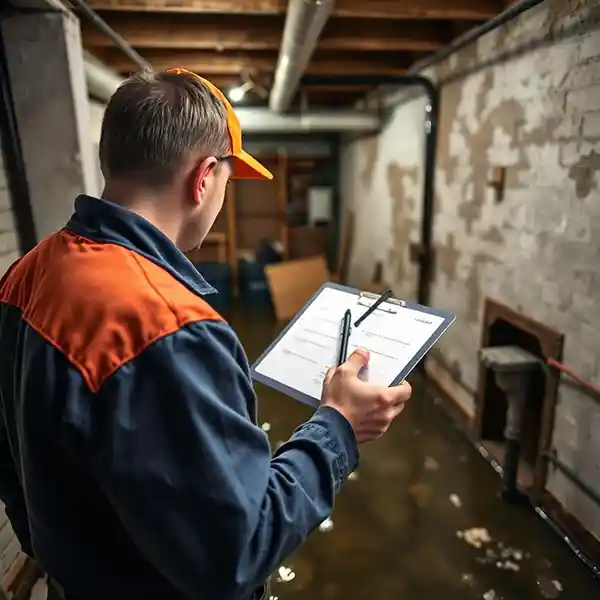
Standard homeowners insurance usually does not cover flood damage caused by rising water, storm surge, or other natural disasters that come from outside the home. If you live in an area prone to flooding or in a high risk zone, you may need separate protection such as the National Flood Insurance Program or a private flood policy.
Insurance also commonly excludes losses caused by neglect, maintenance problems, or wear and tear. If a slow leak goes unnoticed for months, the insurer may say the damage was preventable rather than sudden. That means even if the damage to your home is significant, the claim may be denied if the source was not accidental.
Why the Cause of Damage Matters
Insurance companies look closely at what caused the loss before deciding whether to cover water damage. A sudden pipe failure, burst pipes during a freeze, or a malfunctioning appliance may be covered, while gradual seepage or old plumbing problems may not be. The same policy may treat these situations very differently.
This is why homeowners should pay close attention to the source of the water and act fast. If you file a claim quickly, document the scene, and contact a professional water damage restoration company, you may improve your chances of a smoother claims process. Photos of the affected areas, damaged personal property, and visible water intrusion can all help support your case.
What to Do After Water Damage Happens
If you experience a water emergency, your first step should be to stop the source if it is safe to do so. Then contact a trusted water damage restoration provider to begin drying, cleanup, and mitigation before the damage spreads further. Fast action can help protect your home, your belongings, and your insurance claim.
It is also wise to review your homeowners insurance quote or current policy to understand what is included and what exclusions apply. Some policies offer additional protection for water-related losses, while others require separate endorsements. Knowing your coverage limit before a disaster can help you prepare for out-of-pocket costs.
When to Review Your Policy
If you live in a high risk neighborhood or an area prone to storms, sewer backups, or repeated flooding, it is smart to review your policy every year. You may find that your current homeowners insurance coverage is not enough to protect against common local risks. A new homeowners insurance quote or comparison of home insurance quotes may help you find better protection.
This review is also a good time to ask whether your policy covers water damage from appliances, plumbing leaks, or accidental discharge. It is better to understand these details now than after you have already filed a claim. A policy review can help you see where your coverage limit may fall short and where extra protection may be needed.
How Water Pro Can Help
Water Pro provides professional water damage restoration services for homeowners dealing with sudden water emergencies, leaks, and cleanup needs. When damage to your home happens unexpectedly, their team can help with water removal, drying, and restoring the affected areas before the problem gets worse. Their support can also help you move faster through the recovery process after you file a claim.
Whether the issue involves burst pipes, damaged personal property, or a large cleanup project, prompt restoration matters. Water Pro helps homeowners respond quickly and protect their investment before moisture leads to mold or more expensive repairs. Their services are especially valuable when the cause of damage is unclear and you need expert help documenting the loss.
Understanding Flood and Separate Coverage
It is important to separate regular homeowners insurance coverage from flood protection. A standard policy typically will not cover flood damage from heavy rain, overflowing water, or natural disasters that push water into the home. For that type of loss, many homeowners look into the National Flood Insurance Program or other flood-specific options.
If you live in a high risk area, flood coverage can be just as important as your standard home insurance. Even one major event can cause extensive damage to your home, personal belongings, and stored items. Reviewing both policies together can help you understand the full picture before the next storm season arrives.
Know Your Coverage Before Water Damage Happens
Homeowners insurance may cover water damage in some sudden and accidental situations, but it often does not cover flood damage, wear and tear, or losses tied to neglect. The best time to review your homeowners insurance coverage is before an emergency happens, especially if you live in an area prone to water problems or have concerns about burst pipes, backups, or appliance failures.
If you want to protect your home and personal property, make sure you understand your policy, your coverage limit, and your options for added protection. When water damage strikes, Water Pro can help restore the affected areas and support the recovery process.
FAQs
Does homeowners insurance cover water damage from burst pipes?
Yes, burst pipes are often covered if the damage is sudden and accidental rather than caused by wear and tear or neglect.
Does homeowners insurance cover flood damage?
No, standard homeowners insurance usually does not cover flood damage. You may need separate flood insurance or the National Flood Insurance Program.
Will my policy cover personal belongings damaged by water?
It may, depending on your homeowners insurance coverage, the cause of the loss, and your personal property limits.
What should I do before I file a claim?
Document the damage to your home, take photos of the affected areas, save receipts, and contact a water damage restoration company right away.
How can I know if I need extra coverage?
Review your homeowners insurance quote or current policy, especially if you live in a high risk area or have concerns about flood damage, backups, or limited coverage.