
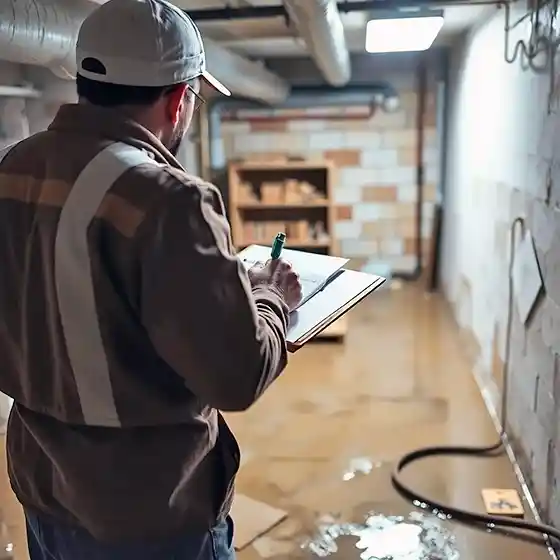
The Gwinnett County Water Damage Report:
What 20+ Years of Data Reveal About Your Home’s Hidden Risk
Water Pro Inc.’s 2026 Gwinnett County Water Damage Report combines FEMA, NOAA, insurance, Census data, and more than two decades of on‑the‑ground restoration experience to show why most water damage in Gwinnett has nothing to do with storms—and what homeowners can do about it.

Rapid Response
Day or Night

In Business
over 20 Years

Highly Rated
on Google!
- BBB A+ Rated
- Highly Rated on Google
- 24/7 Live Calls
- Free Estimates
- We Bill Your Insurance
- Locally Owned & Operated
Executive Summary
Most Gwinnett County homeowners imagine water damage as something that happens during a storm or freeze, when floodwaters rise or pipes burst in extreme cold. The report shows the opposite: over 90% of professional water damage jobs in Gwinnett are not storm-related but come from internal sources like failing water heaters, washing machine hoses, slow leaks behind walls, and pipes that burst while families are away.
To uncover the real risk, Water Pro Inc. combined NOAA storm records, FEMA flood insurance data, U.S. Census housing-age statistics, national insurance claim data, and 20+ years of local field observations from owner Andrew Foray. The study finds that water damage in Gwinnett is more frequent, more expensive, and far more preventable than most people realize—and that the most dangerous assumption a homeowner can make is “it’s not storming, so I’m safe.”
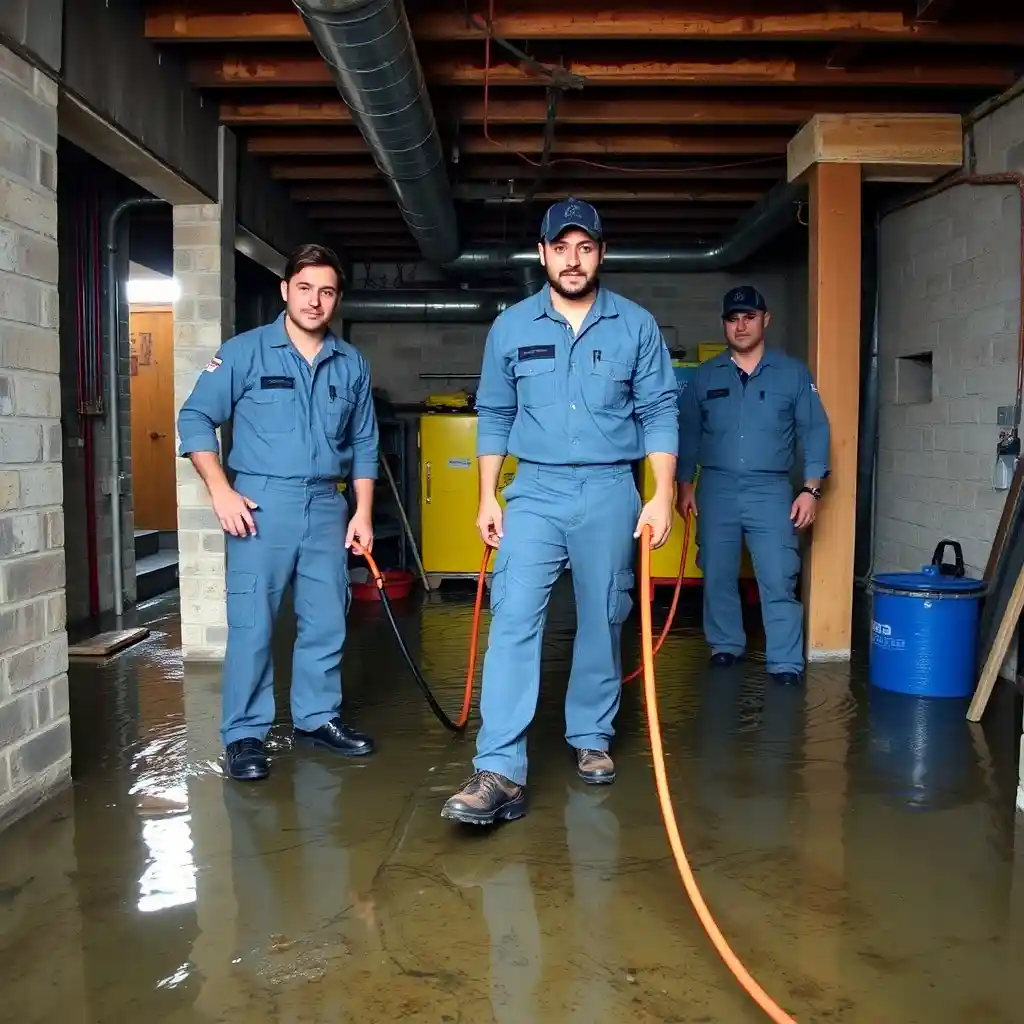
Why This Study Matters for Gwinnett Homeowners
The report estimates that roughly 5,240 Gwinnett homes will file a water damage insurance claim this year alone, representing more than $80 million in annual loss based on national averages. It also shows that 79.3% of Gwinnett’s 351,100 housing units were built before 2010, placing them at elevated risk from aging plumbing, water heaters, and supply lines—not from weather alone.
FEMA data cited in the study reveals that one‑third of National Flood Insurance Program claims nationwide come from outside designated flood zones, meaning many Gwinnett homeowners face real flood and groundwater exposure without realizing their standard policy may not cover it. For local families, that gap between perceived and actual coverage can turn a “minor” incident into a financially devastating event. The report gives homeowners and real estate professionals evidence‑based guidance to rethink risk, insurance, and prevention.
Methodology
The Gwinnett County Water Damage Report is built on four independent national data sources plus more than two decades of local field data.
- Storm activity: NOAA’s Storm Events Database for Gwinnett County from 2015–2024, covering 156 documented events (thunderstorm wind, flash flood, strong wind, and a tornado) and associated property damage.
- Flood and insurance data: FEMA National Flood Insurance Program (NFIP) statistics, including average payouts, the share of claims outside mapped flood zones, and Gwinnett’s 24,000 acres of designated floodplain; national water‑damage claim frequency and average claim costs from the Insurance Information Institute’s 2025 report.
- Housing stock: U.S. Census Bureau American Community Survey 2024 housing‑age data for Gwinnett County, documenting 351,100 housing units and their construction periods.
- Health and mold guidance: EPA mold remediation guidelines describing the 24–48 hour window in which mold can begin colonizing wet materials in typical indoor conditions.
- Local field experience: Structured interviews and case history data from Water Pro Inc. owner Andrew Foray, who has personally overseen water damage restoration in Gwinnett County since 2003, including job causes, severity, and typical homeowner mistakes.
By layering national datasets with neighborhood‑level experience, the study translates abstract statistics into concrete, local risk for Gwinnett homeowners.
Key Findings & Implications
1. Most homeowners overestimate what their insurance will cover
The report finds that many residents assume flood maps define their risk and that their homeowner’s insurance will cover most water events. FEMA data, however, shows that one‑third of NFIP claims occur outside high‑risk flood zones, and Andrew Foray notes that rainwater and groundwater intrusions are “not typically covered” by standard policies without separate flood insurance.
Implication: Homeowners who are not in a mapped flood zone may still need flood insurance to avoid costly coverage gaps—and should review their policies before an event, not after.
2. More than 5,000 local homes a year are affected—and many start their claim wrong
Using national claim frequency (1 in 67 insured homes per year), the report estimates about 5,240 water damage claims in Gwinnett annually, or roughly 101 per week, with an average cost of $15,400 per incident. Foray observes that many homeowners call their insurance carrier first, potentially opening a claim on damage that may not exceed the deductible or may raise premiums long term.
Implication: Calling a qualified restoration company first allows a damage assessment before a claim is filed, helping homeowners avoid unnecessary premium increases and make better financial decisions.
3. Mold growth is measured in hours, not weeks
EPA guidance and Water Pro’s field experience confirm that under typical Georgia conditions, mold can begin to colonize within 24–48 hours of water intrusion, and a single organism can multiply to more than one billion in a day if conditions are right. NOAA data shows 156 significant storms in Gwinnett over a decade, with dozens of events explicitly tied to structural impacts across local communities.
Implication: After storms or indoor leaks, the clock is ticking. Rapid professional drying is essential to avoid mold, hidden structural damage, and much higher remediation costs.
4. Aging homes and plumbing—not storms—drive most risk
Census data shows that 278,468 homes in Gwinnett (79.3% of the housing stock) were built before 2010, with large numbers dating back to the 1980s polybutylene plumbing era and earlier. Foray highlights simple but often ignored prevention steps—winterizing hose bibs, annual water heater maintenance, shutting off water before vacations, and upgrading washing machine hoses—that could prevent many losses.
Implication: Preventive maintenance on aging infrastructure is one of the highest‑ROI actions homeowners can take; ignoring it shifts the odds toward expensive, disruptive failures.
5. Fewer than 10% of Water Pro’s jobs are storm‑related
From Water Pro’s own job history, less than 10% of water damage projects in Gwinnett are caused by storms; the vast majority are internal failures like burst pipes, failed water heaters, and supply line breaks discovered hours or days after they start. The report cites one internal‑failure case that ultimately cost $160,000, illustrating how quickly “minor” water damage can escalate when it goes unnoticed.
Implication: Waiting to act, or assuming the damage is small because there was no storm, can turn a manageable incident into a six‑figure loss. Early detection, quick response, and professional assessment dramatically reduce the stakes.
FAQ: The Gwinnett County Water Damage Report
1. What is the Gwinnett County Water Damage Report?
The Gwinnett County Water Damage Report is an original 2026 study by Water Pro Inc. that combines FEMA, NOAA, U.S. Census, insurance industry statistics, and more than 20 years of local restoration experience. It analyzes how and why water damage actually happens in Gwinnett homes, and turns that data into practical guidance for homeowners.
2. What is the biggest takeaway from the study for homeowners?
The study shows that more than 90% of professional water damage jobs in Gwinnett are not caused by storms, but by internal issues like failed water heaters, burst pipes, and leaking supply lines. The most dangerous assumption a homeowner can make is that they are safe from water damage simply because the weather is calm.
3. How does this report change the way I should think about insurance and flood risk?
The report highlights that many homeowners overestimate what their standard policy will cover, especially for groundwater and flood-type events. It also underscores that a significant share of flood claims nationally come from outside mapped flood zones, meaning you may need to consider additional flood insurance and a policy review even if your home is not in a “high risk” area.
4. What practical actions does the study recommend I take right now?
The study recommends calling a restoration professional first when you discover water damage, so you can understand the scope before filing a claim that might raise premiums. It also urges homeowners to maintain and monitor aging plumbing and water heaters, shut off the main water supply before vacations, upgrade vulnerable supply hoses, and act within 24–48 hours after any water intrusion to avoid mold and escalating repair costs.
Ready to turn data into protection for your home?
The Gwinnett County Water Damage Report shows that most serious losses start as small, preventable problems inside the house—not during a storm. If you’ve found water, suspect a leak, or simply want an expert assessment of your home’s risk, contact Water Pro Inc. for a professional inspection and fast, 24/7 emergency response.
Call 404‑822‑8632 or visit waterpro-inc.com to schedule a visit and get personalized recommendations based on this study’s findings.
Our Service Area
We have many happy customers all around Atlanta, including cities like Acworth, Alpharetta, Ansley Park, Athens, Auburn, Austell, Berkeley Lake, Braselton, Buford, Cumming, Dacula, Decatur, Duluth, Dunwoody, Flowery Branch, Grayson, Johns Creek, Kennesaw, Lawrenceville, Lilburn, Loganville, Marietta, Milton, Monroe, Norcross, Peachtree Corners, Roswell, Sandy Springs, Smyrna, Snellville, Sugar Hill, Suwanee, Tucker, Winder, and more. If you need reliable water damage restoration, contact Water Pro today for fast, professional service.